Guide
How Players’ Physical Condition Is Monitored Between Competitions Read More 21 September, 2026

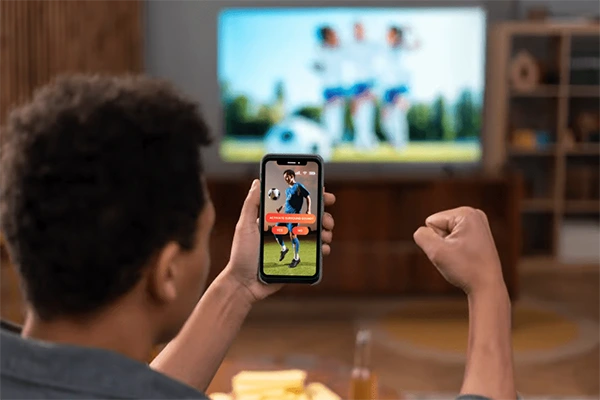
The way fans connect with sports has changed a lot in recent years. It’s not just sitting and watching a full match anymore. Today, people just don’t want to watch matches; they want to take part in them in some way. Whether it’s checking live stats, joining prediction games, chatting during matches, or reacting on social media, watching sports has become a much more active experience. It feels less like just watching now and more like being part of what’s happening in real time.
And honestly, you can see this shift everywhere. A match doesn’t stay limited to the screen anymore; it spills into group chats, comments, and fan pages where people react in real time. Some celebrate, some debate, and some just follow along quietly.
A Deloitte 2025 Sports Industry Outlook report says around 72% of sports fans under 35 use some form of second-screen experience during live games. That could be fantasy sports, live discussions, prediction games, or just checking stats while the match is on. So yeah, most people aren’t really sticking to one screen anymore, they’re switching between a few things but still staying connected to the game.
And that’s really the bigger shift here. Fans don’t just want to sit back and watch sports like before. They want to be in it while it’s happening, even if they’re watching from somewhere far away. The emergence of second-screen experiences is one major reason as to why sports communities continue to grow globally. Fans want to be part of the event, not just watch the event.
KEY TAKEAWAYS
- Watching sports isn’t just about watching anymore because people want to take part in it somehow.
- A lot of fans use second-screen stuff like fantasy sports, live stats, and social media during a match.
- Technology and mobile access have made it easy to stay connected to a match from pretty much anywhere.
- Esports, fantasy sports, and traditional sports are now all kind of blending into the same digital space.
One of the main reasons sports communities do well online is that fans don’t just watch anymore; they feel involved in some way. Even small things like voting in polls, reacting to moments, or joining live chats give people a sense that they’re part of what’s happening.
Interactive entertainment adds that extra layer where fans feel closer to the game during big moments, not just sitting on the sidelines watching it pass by.
Fans are able to react as one unit while games are being played through such things as live polling, immediate statistical feedback, and prediction systems. These tools allow for continuous discussion throughout the game regarding issues such as coaching decisions and whether or not to make a particular call by a referee.
The use of these tools has become especially popular around the time of major tournament playoff events and worldwide events. According to Nielsen Sports, there was a 38% increase in the amount of live sports conversations happening on social media platforms during large championship events, compared with the amount of similar conversations occurring during regular season games in 2025.
Interactive entertainment platforms have also become an important part of the Canadian sports landscape. Play Alberta has gained attention because it combines regulated digital sports engagement with responsible gaming features designed for local audiences.
The platform helps sports communities stay connected through live odds, event interaction, and sports-related entertainment experiences tied to professional leagues and major competitions. As digital fan behavior evolves, services like Play Alberta demonstrate how technology continues to reshape the way communities interact around sports culture in Canada.
Fun Fact – More than 70% of younger sports fans use another screen while watching a live match. ( Deloitte, 2024)
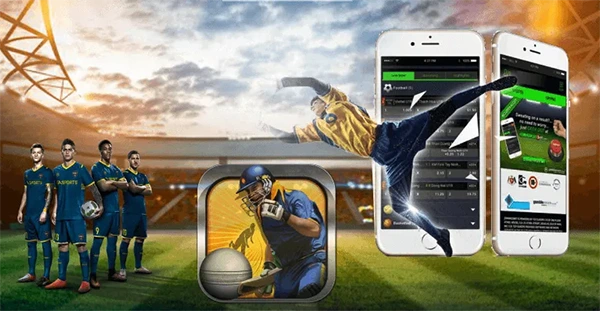
Sports communities grow naturally because fans feel strongly connected to teams, regions, and even individual players. It’s not just support, it’s personal for a lot of people. Interactive entertainment adds fuel to that. It keeps giving fans chances to react, debate, and compete with each other, which makes those emotions even stronger during games and events.
Interactive engagement is reshaping fan culture through fantasy sports platforms. Millions of participants follow players, stats, and injuries to inform their own fantasy play and, by doing so, significantly increase their engagement with other fans and the game itself.
The Fantasy Sports and Gaming Association states that by 2025, North America will have over sixty-two million fantasy sports players. Football, basketball, and baseball are the most popular.
Overall, fantasy sports lead to much greater interaction between fans and the game, and very detailed strategies are developed for engaging the fan base beyond just final scores. Fans will study player performance, analyze how teams play together, and use advanced statistics over the entire season, not just at the end of the season.
The influence of gaming culture has also accelerated this transformation. Discussions appearing across Esport News platforms increasingly overlap with traditional sports conversations because both industries rely heavily on digital interaction and online communities.
Many younger audiences consume sports and esports using similar habits. They expect instant highlights, live reactions, interactive broadcasts, and personalized content feeds.
Streaming tech, AI, and real-time analytics have all moved pretty fast in recent years, and you can see it in how sports are experienced now. Matches feel more interactive because fans get instant updates, smarter insights, and way more detail while the game is still happening.
Current broadcasts provide an abundance of features that include expected goals models, player tracking data, win probability percentage, as well as tactical breakdowns during live play-by-play.
Using the NFL’s Next Gen stats system, player movement is recorded using a positional sensor that updates location approximately 12 times a second, which provides incredible detail for both fans and analysts. Other sports such as basketball, soccer, baseball, and hockey have also implemented similar systems.
Overall, these tools allow sports fans to study and speculate on athletic sports with much more depth of strategy than ever before.
Thanks to the prevalence of smartphones and streaming services, sports fans can access interactive experiences from virtually anywhere, including watching games, talking about them, and breaking down statistics. According to Statista, there will be over 1.1 billion users of mobile sports streaming in 2025, which demonstrates that digital access is contributing to the continued growth of communities around the world.
The immense success of sports communities can be attributed to four important elements: emotion, identity, competition, and shared experiences. All of these attributes can be dramatically enhanced through interactive entertainment, which allows fans to engage continuously and directly with sports via the action of the games (i.e., when they see a player put forth great effort).
As technology continues to evolve and advance, there is increased potential for consumers to participate in the “sports experience” as their needs and interests change; this will lead to more personalized and immersive experiences for consumers via technology and other mediums.
There are basically ways fans get involved while watching sports, like live chats, polls, stats, or prediction games.
It’s when you use your phone or another device while watching a live match on TV or streaming.
Yes, most younger fans usually have social media or sports apps open while watching games.
They make it easier for fans to feel connected to the game and to other fans at the same time.



Email at: all4needyinfo@gmail.com