Internet
Rust Skins as an Investment in 2026: My Take After Years of Trading Read More 8 October, 2026

There were times when skins just used to make weapons and bases look better. That was the beginning of the Rust story. Years of collecting and trading have taught me that some Rust skins can become valuable collectibles. Other things often lose their appeal as quickly as they got it.
Now in 2026, I changed my approach completely. I still buy pieces and enjoy using them. But the thing that matters is their availability, resale potential, and market demand. Read the full blog to know what I’ve learned about investing in virtual items over the years.
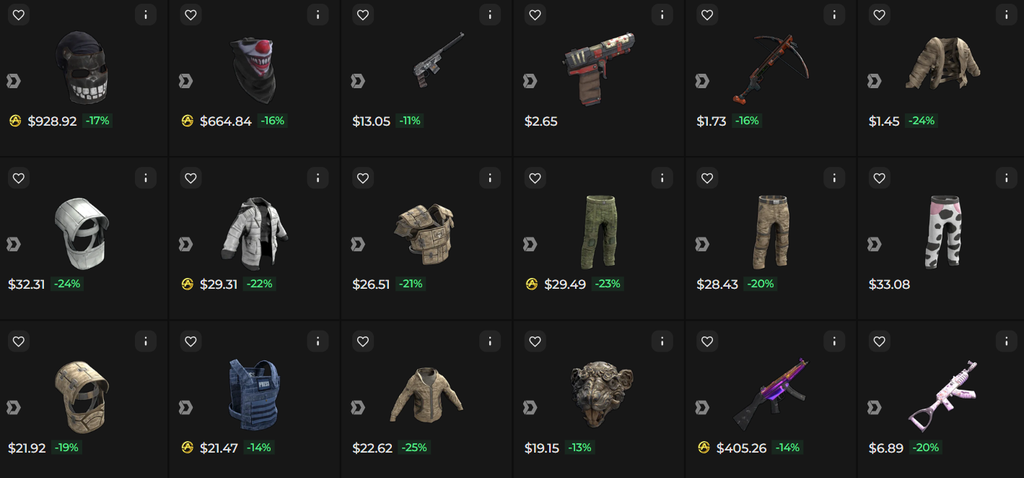
At first, I bought cosmetics without considering their future value. A new AK finish or an unusual door would catch my attention, and that was usually enough. Then I realized some of the older releases were becoming harder to find — and things changed. If a popular item disappears from the official shop, collectors may have to rely on existing owners. If demand remains strong, limited supply can push prices higher.
I started paying more attention to discontinued collections and older designs. Some attracted buyers years after release, while others remained relatively cheap. The contrast showed me that rarity alone does not make a good investment. Twitch drops gave a different perspective. Their exclusive designs may become a memorable part of Rust’s history; however, these rewards are account-bound and cannot be sold.
I keep Twitch drops for my own enjoyment — not as a way to add to my trading portfolio. But tradable skins give me the chance to build a valuable collection over time. I look for items with strong demand and lasting appeal. I also monitor market trends to make better buying and selling decisions.
As my trading experience has grown, I have become more selective about where I invest my money. Now I only collect cosmetics that combine limited availability with designs players still want:
The categories above have helped me understand how scarcity and player interest work together. But I never assume that an expensive skin will keep rising just because it performed well in the past.
My biggest mistake was buying new releases during the first wave of excitement — the value of a skin rises quickly when everyone wants it. I worried about missing out. Unfortunately, this enthusiasm did not always last. More owners began listing their purchases — and some prices dropped sharply. A few items became difficult to sell without making a loss, so now I prefer waiting until the initial hype has faded.
Another problem was investing too much in one category. I used to spend a lot of time on weapon skins because they seemed like an easier trade. But player preferences change and can affect an entire category, leaving fewer opportunities to sell for a good price. Another mistake was selling too early. I accepted a small profit only to see an older collectible become more expensive later.
All of this changed my approach. My current purchases are spread across several categories. I keep some funds available instead of constantly buying. I look at what’s happening in the market and decide on my target selling price before making a purchase. It helps me to make more measured decisions and take better care of my collection.
Now, I have a more structured approach to my portfolio. I look at recent sales, compare active listings, and see how fast similar skins are selling. Only then I purchase. I use DMarket to track past transactions and price changes to compare actual market activity, not guesses and old screenshots, on current offers.
I set a price that I want and adjust my listing when demand changes. I don’t try to hit the top of the market. DMarket offers withdrawals to bank cards and cryptocurrency, depending on availability. I check the fees, costs, and verification requirements — and choose the method that suits me best.
I don’t expect every purchase to turn a profit after all these years of trading. I am looking for good opportunities to minimize unnecessary losses and sell when the results meet my expectations. A clear plan and patience are much more rewarding to me than chasing the next expensive skin.
The rarest rust skin is Training SKS.
The Rust skin market is roughly around $0.10 to $1,500-$2,000.
The most valuable item in Rust is the Meta Tree Door and Punishment Mask.


Email at: all4needyinfo@gmail.com