Game and Technology
How Modern Applications Help Maintain Interest in Sport Read More 21 July, 2026


“In football, the future belongs to those who prepare for it today.” — Johan Cruyff (Football Player & Manager)
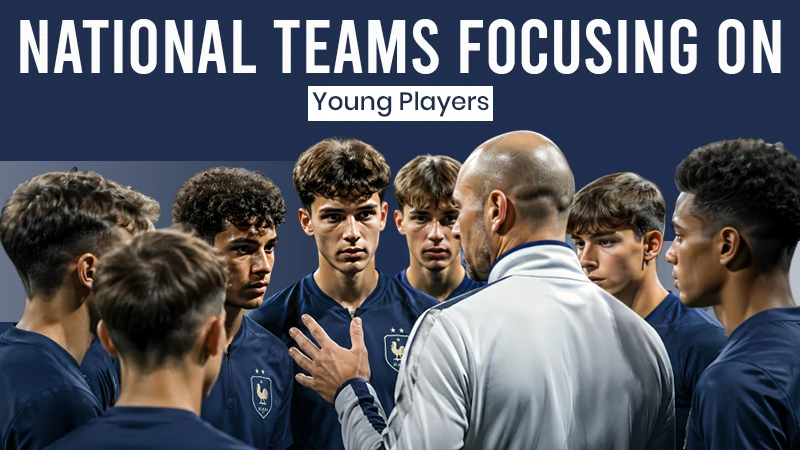
More than winning the next match, modern international football focuses more on building a team that can dominate for years. That’s why national sides are investing heavily in young players. With the game evolving faster than ever, youth brings energy, adaptability, and the ability to grow into complex systems over time.
In this article, I’ll tell you why national football teams are investing in young players, from tactical advantages to long-term success, financial efficiency, and modern game evolution.
KEY TAKEAWAYS
- Youth development is now a core strategy, not a secondary option.
- Young players offer adaptability, stamina, and tactical flexibility.
- Investing early reduces long-term financial and performance risks.
- Technology and exposure accelerate growth and fan engagement.
National teams are treating youth development as a long-term strategy rather than a backup plan. While younger athletes usually adjust more quickly to fresh strategies, they also show strong stamina in tough games. Because of this flexibility, squads can stay effective when facing rivals who play very differently. Though experience matters, speed in learning new approaches gives emerging players an edge.
Fans today stay close to rising stars by tapping into online spaces where fresh insights pop up instantly. The following game numbers are often available on phones, while performance watchers looking at possible bets find the MelBet app download (Arabic: تحميل تطبيق MelBet) useful for checking shifting odds, studying athletes, and tracking how matches unfold. Being linked this way deepens interest and lifts the profile of developing players. Gradually, such inclusion supports the steady evolution of the group’s core setup.
Young athletes are redefining match intensity. Because they sustain sharp performance across full matches, tactical fluidity becomes possible. With rapid thinking paired with precise movement, they handle demanding formations effortlessly. As a result, managers place trust in their capacity to adapt under pressure.
Nowadays, closely examining game results shapes how supporters experience contests. Fans track patterns, weigh numbers, while others dig into wagering details using sites that provide access tools, and a free MelBet promo code (Arabic: رمز ترويجي مجاني MelBet), helping them study probabilities with their first wager. Such involvement leads to sharper viewership; it pulls people closer to the action steadily.
Change moves fast in modern football, making quick adaptation a key edge. While younger athletes usually embrace fresh methods more readily, their willingness shapes how they shift playing styles. Because conditions on the field keep shifting, such responsiveness keeps squads effective over time.

Looking ahead requires understanding traits that boost a youngster’s worth to national squads. What sets them apart is their direct contribution to sustained team achievement down the line.
| Factor | Impact on Team | Long-Term Benefit |
| Physical endurance | Sustains high intensity during matches | Improves consistency in tournaments |
| Tactical flexibility | Adapts to different playing styles | Enhances strategic options |
| Learning capacity | Quickly adopts new techniques | Supports continuous improvement |
| Career longevity | Provides an extended contribution period | Ensures team stability |
Young players show up in wins today while shaping what comes next. Squads paying attention to such traits often find stability over time. What matters now ties into later strength through their growth.
Developing young talent isn’t just good for performance, it’s smart economics. By nurturing ability early, sides depend less on veterans demanding bigger salaries. Resources shift smoothly into long-term growth instead of short-term fixes.
Starting fresh each time isn’t necessary when young athletes are nurtured early. Because of this, national teams bring in newcomers step by step. Over time, these gradual shifts keep results stable. When veterans leave, the effect is smaller thanks to earlier preparation.
Young talents who thrive tend to draw interest from overseas clubs, boosting how others view their country’s team. Such a spotlight helps raise the profile of homegrown leagues worldwide, sparking wider curiosity in local development setups.
INTERESTING STAT
France leads in developing high-value young talent. Players developed in French academies provide the highest ROI, with an average value generation of €41.2 million.
Early exposure to high-level competition builds more than skill; it builds mindset. When they face tough opponents, growth follows naturally – confidence builds through real challenges. Resilience grows not by design but through setbacks met head-on. Mental toughness emerges quietly, over time, shaped by moments of stress and recovery. Pressure in critical games becomes easier to manage when familiarity replaces uncertainty.
Young athletes sharpen their choices through involvement in both junior and senior competitions. Facing varied scenarios teaches quick adjustments, especially when up against shifting rival strategies. Staying sharp during tough moments becomes easier with repeated exposure. Growth in these areas supports lasting achievement down the line.
Young athletes often rely on coaches during their development. Through consistent encouragement, these mentors shape how players handle pressure while staying driven. Progress becomes more stable when support is present. Facing what comes next feels less overwhelming because of it.
Technology has transformed how young players train and improve. From data patterns to game footage, clear pictures of ability take shape. When coaches review results, they spot what works – also where effort must rise. Training sharpens when insight leads the way.

Young athletes gain wider attention thanks to digital access that keeps fans updated on their progress. Because games stream in real time, followers interact directly with rising stars through dynamic online formats. Exposure like this fuels development – not just for individuals, but entire squads benefit too.
Thanks to tech-driven tools, training now sharpens both fitness and game sense more effectively. Because of these upgrades, youth athletes face today’s match challenges better equipped.
When players rise through the same system, they develop a shared understanding of how the team plays. Because of this shared background, coordination in the field becomes more natural. As trust builds gradually, results follow in both training and matches.
Starting young athletes in structured pathways builds shared identity among citizens. Because these players rise locally, supporters tend to feel deeper ties to them. When fans see homegrown talent succeed, their backing grows steadier over time.
When youth excel in sports, they step into roles that reflect their nation abroad. Success shapes how others see the country, building pride at home through visible achievement overseas.
Countries that invest in youth development often see more consistent success over time. Flexibility grows within these groups, stability follows, and readiness meets change before it arrives.
Success over time depends on constant improvement; programs aimed at younger athletes build that base. When junior talents join main rosters, shifts across age groups happen without disruption. Such methods hold consistency steady while encouraging progress years ahead.
Young talent programs pull interest from around the world, opening doors to work alongside different football groups. Because of these links, ideas flow more freely across borders. Growth in how the game is played follows naturally.
Modern football success is no longer just about immediate results; it’s about sustainability. Because early investment pays off later, many countries prioritize age-group competitions and skill growth. With fresh faces come new energy, better adjustment to modern play styles, and room to grow into key roles. When nurtured well, these players carry a nation’s way of playing forward while staying ready for high-level challenges.
Because modern football demands speed, adaptability, and long-term planning, qualities that younger players naturally bring.
Not at all. The best teams balance youth with experienced leaders who guide them during high-pressure moments.
It creates a steady pipeline of players who already understand the team’s system, reducing transition gaps.
Technology helps track performance, analyze gameplay, and personalize training, making development faster and more precise.

Email at: all4needyinfo@gmail.com