Internet
Understanding Warhammer 40K Scale and Why It Matters for Collectors and Hobbyists Read More 2 April, 2026

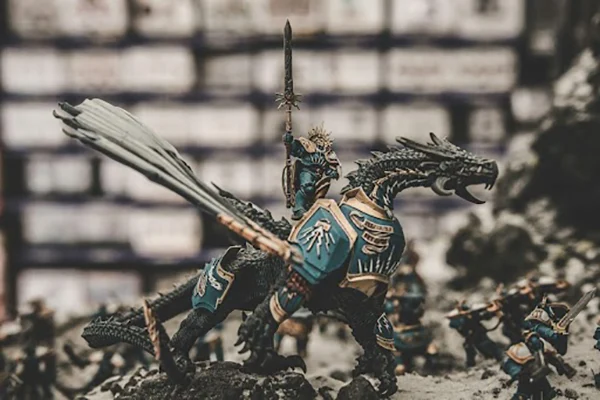
Warhammer 40,000 is recognized widely for its expansive lore and gameplay, but also for its intricate miniature designs. Newcomers frequently ask, “How does scale work in this game?”
The answer is simple: unlike traditional models with strict measurement systems, Warhammer 40K operates on a more flexible framework, creating creative freedom and also confusion when comparing different products.
Knowing how scale works is essential to ensure consistency and avoid getting confused by different products, miniature designs, and creations. Let’s see how.
Warhammer 40K is most commonly associated with what is known as “heroic scale.” This term refers to miniatures that are roughly based on human proportions but with exaggerated features. Heads, hands, weapons, and armor are intentionally made larger to enhance visual clarity and detail.
This design choice serves a practical purpose. On the contrary, exaggerated features make multiple models easier to differentiate from a distance and allow fine details to stand out in art.
While this approach strays a lot far from strict realism, it creates a bold and recognizable aesthetic that defines the Warhammer 40K universe.
Unlike the usual scale system models following ratios 1:35 or 1:48, Warhammer 40k uses a millimeter-based system.
Models are typically described as 28mm or 32mm scale, referring to the approximate height of a human figure. However, this measurement is not applied consistently across all miniatures.
Variations occur as different factions, units, and production periods influence the design of models. As a result, scale in Warhammer 40K is better understood as a regular guideline rather than a precise measurement.
This flexibility allows for creative expression but also introduces challenges when comparing models.
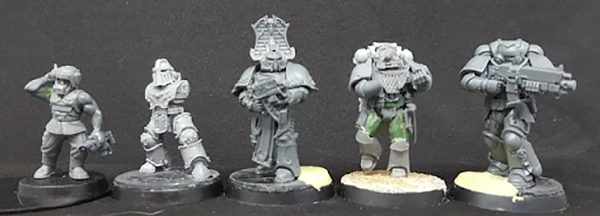
Over time, Warhammer 40K miniatures have gradually increased in size, a phenomenon often referred to as “scale creep.” Earlier models were closer to traditional 28mm proportions, while newer releases tend to align more closely with 32mm or slightly larger.
These slight tweaks reflect improvements in manufacturing tech and a larger emphasis on detail. Larger models provide more surface area for painting and sculpting, making them appear more visually impressive.
However, this evolution also means that older miniatures may appear smaller when placed alongside newer ones.
Because Warhammer 40K does not follow a strict scale, maintaining visual consistency within an army or collection can require careful consideration.
Differences in height, bulk, and proportion can become noticeable when models from different eras or product lines are combined.
For hobbyists, this often means paying attention to how models interact visually rather than relying solely on numerical scale.
Adjustments such as basing, posing, or selective kit choices can help create a more cohesive appearance. The goal is not perfect accuracy but a balanced and intentional look.
Scale variation becomes even more pronounced when comparing infantry models to vehicles and large units. Tanks, walkers, and massive constructs are often designed with gameplay in mind rather than strict proportional accuracy. This means they may not align perfectly with the expected scale based on infantry models.
The differences are kept intentionally. Larger units are designed to be visually impactful and functional within the same environment. As a result, they prefer presence and usability over exact scale relationships.
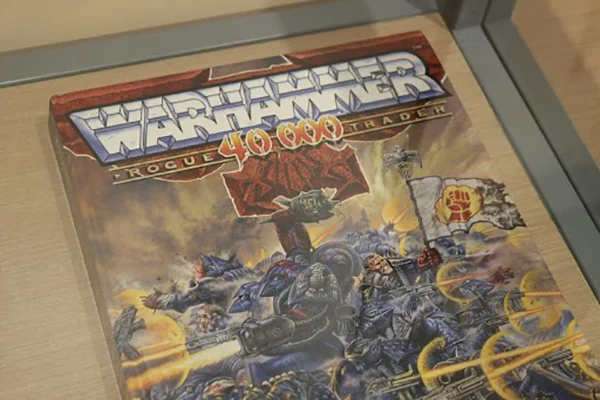
Developing an understanding of scale is very important for those who look to customize or expand their collections. Combining kits, converting models, and incorporating third-party elements all require proper judgement of proportions, as mismatched components destroy the overall look of a project.
For collectors, scale also affects display presentation. Models that align well in size and proportion create a more polished and visually appealing arrangement. This is especially relevant for those who treat Warhammer 40K as both a game and a form of artistic expression.
Warhammer 40K’s approach to scale differs significantly from other tabletop and modeling systems. Many miniature games use more standardized proportions, while traditional model kits adhere strictly to defined ratios. This makes Warhammer 40K somewhat unique in its flexibility.
This distinction can be both an advantage and a limitation. On one hand, it allows for creative freedom and stylistic consistency within the Warhammer universe. On the other hand, it can make cross-system compatibility more complex, especially for hobbyists who work across multiple scales.
Fun Fact
The “heroic” scale ensures that weapons remain recognizable and detailed, even if they would be unrealistically large in real-world proportions.
For those looking to better understand how scale works in practice, examining detailed comparisons can be helpful. Discussions such as what scale is warhammer 40k provide additional context by breaking down how different models relate to one another.
These explanations highlight the importance of viewing scale as a flexible concept rather than a fixed measurement. By focusing on proportions and visual balance, hobbyists can make more informed decisions when building or expanding their collections.
Scale in Warhammer 40K is not just a technical detail. It is a design choice that influences how the universe is perceived. Larger proportions, exaggerated features, and evolving model sizes all contribute to the distinctive look of the game.
This approach amplifies the dramatic and larger-than-life setting of the world. Characters appear more imposing, equipment feels strong and the aesthetic becomes more immersive. In this way, scale is as much about storytelling as it is about measurement.
Ultimately, Warhammer 40K’s approach to scale reflects its broader philosophy as a hobby. Rather than enforcing strict rules, it provides a framework that encourages creativity and interpretation. This flexibility allows hobbyists to experiment, customize, and develop their own style.
Though it may require a bit more understanding to properly navigate, this system offers better freedom than traditional scale modeling. For many, that freedom is part of what makes Warhammer 40K such a unique and compelling hobby.
28mm scale is the most popular scale size for RPG games like Warhammer 40K.
Unlike other tabletop and modeling systems, Warhammer 40K doesn’t have a set scale and creates minor adjustments throughout, allowing people the creative and stylistic freedom.
Creators who look to customize models and incorporate third-party components into existing designs need to know the scale to allow for proper fitting materials.
Varying proportions in one singular model would look weird and inconsistent with its shape, as they give different visual effects, so the same proportions at once appear consistent.



Email at: all4needyinfo@gmail.com