Internet
The New Social Ritual: Rethinking What We Drink Without Losing the Experience Read More 3 April, 2026

“First you take a drink, then the drink takes a drink, then the drink takes you.”
— F. Scott Fitzgerald (American Novelist)
What if social drinking didn’t have to follow that script anymore?
Today, what we sip is becoming as intentional as what we eat or how we work out. Beverages are no longer just about taste or tradition. They’ve quietly turned into lifestyle choices. People are asking a different question now: How do I want to feel after this?
That shift has sparked a quiet revolution. The ritual stays, the glass stays, the conversations stay. What changes is what’s inside the glass. And that’s where things get interesting.
In this article, I’ll tell you how functional beverages and alcohol alternatives are reshaping social rituals. The following sections answer why more people are choosing balance, clarity, and connection without compromise.
TABLE OF CONTENTS
- Why Alcohol Alternatives Are Gaining Momentum
- What Defines a Functional Beverage Today
- Exploring Alternatives That Fit Different Preferences
- The Importance of Subtle Effects Over Intensity
- Social Connection Without Compromise
- What Research Says About Changing Drinking Habits
- Choosing What Works for Your Routine
- Conclusion
- FAQs
Not long ago, “going out for a drink” almost always meant alcohol. It’s not the case anymore.
However, it doesn’t mean people have eliminated alcohol from their hangouts completely. They have just become more selective about when and how they consume it. This creates space for options that provide a similar social experience without the same aftereffects.
As a result, a new category of beverages has emerged, one that focuses on mood, relaxation, and presence rather than intoxication. These drinks are often designed to complement social settings while allowing individuals to remain engaged and clear-headed, which is becoming increasingly important in both personal and professional contexts.
A functional drink doesn’t contain no magic ingredient. Though many of them mix adaptogens, nootropics, or botanical extracts to boost focus or create a relaxing effect. People have turned to supporting their routines instead of disrupting them.
Brands like Hiyo have popularized the idea of a “social tonic,” offering non-alcoholic sparkling drinks infused with ingredients such as ashwagandha, L-theanine, and lion’s mane to promote a mild, mood-supporting effect. These formulations aim to replicate the feeling of unwinding without impairing cognitive function, which has resonated with a growing audience.
Here’s where it gets personal. Different people want different things from their drinks:
In that context, different products like hiyo alternative tend to focus on different ingredients, effects, and overall experience. Understanding these distinctions helps individuals choose options that align with their expectations rather than relying on broad assumptions about the category.
Most of us avoid dramatic effects now.
Modern functional beverages are designed to nudge, not push. You won’t feel a dramatic shift. They are adaptable to most situations, be it casual gatherings or quiet evenings.
This subtlety also supports consistency. Because the effects are not overwhelming, individuals can incorporate these drinks into their routines without disrupting their daily functioning. Over time, this creates a more balanced approach to consumption, where the goal is to feel better, not different.
Let’s be honest. Alcohol’s biggest strength isn’t the taste. It’s the shared experience.
Functional beverages play that role better. They offer a way to participate in social rituals but without compromising clarity or next-day performance.
More people are adopting a “sober-curious” mindset. Not necessarily avoiding social settings, just redefining the engagement part. Functional drinks allow for that flexibility, maintaining the social aspect while changing the underlying dynamic.
This isn’t just a passing trend. It’s a shift backed by behavior.
The non-alcoholic beverage market has been expanding rapidly, driven by increasing awareness of health and lifestyle choices. According to industry data, global demand for non-alcoholic drinks is projected to grow significantly over the coming years as more consumers seek balanced options.
The following infographic lists some figures related to non-alcoholic drinks in the USA:
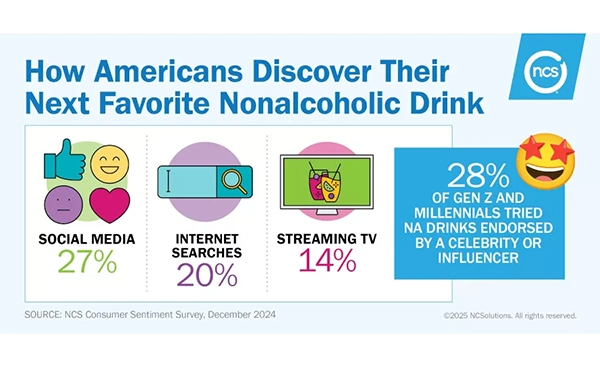
These numbers signify a cultural change. Drinking is no longer seen as the default for social interaction, and alternatives are becoming more normalized. As availability increases, these niche options will become mainstream.
At the end of the day, there’s no universal “best drink.” The question remains: does it fit your life?
What works for one person may not work for another, and flexibility is key. Rather than following trends, individuals are increasingly making decisions based on how they feel and how those choices support their routines.
This approach reinforces a broader shift toward intentional consumption. Instead of reacting to habits or expectations, people are shaping their routines around what supports their energy, focus, and overall well-being. Over time, these small decisions redefine not only what we drink, but how we approach social and personal balance.
The social ritual isn’t disappearing. It’s evolving.
We’re moving from automatic choices to intentional ones. From intensity to subtlety. From tradition to personalization.
The glass is still raised. The conversations still flow. But now, what we drink is finally catching up with how we want to feel.
These are drinks designed to provide specific benefits like relaxation, focus, or mood support. Ingredients are usually adaptogens and nootropics.
Most are entirely alcohol-free, though some may contain trace amounts. Always check the label if that matters to you.
They don’t create dramatic effects. In fact, they support your mental clarity and balance.
Anyone looking to reduce alcohol intake, improve focus, or maintain energy without sacrificing social experiences can benefit from exploring these options.

Email at: all4needyinfo@gmail.com