Esports
The Role of Team Captains in Club Success Read More 26 March, 2026

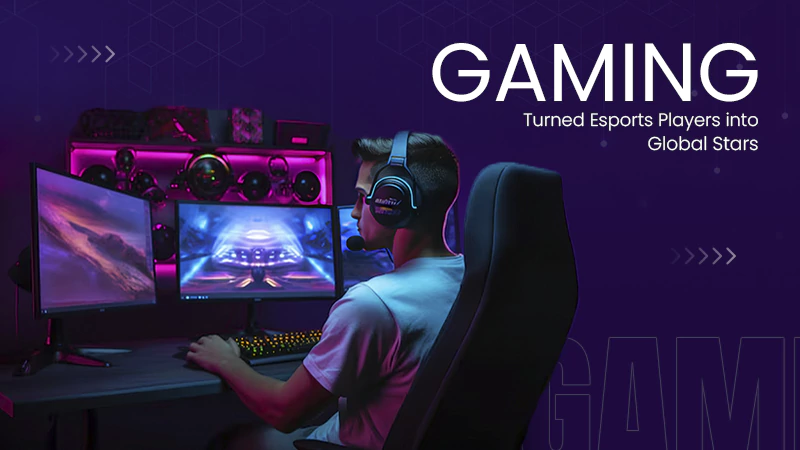
Just a few years ago, the idea of professional esports gaming turning into a billion dollar global industry was like a joke for everyone. It was considered to be done in free time, usually after school or work. But today, it has the capabilities to fill stadiums, attract millions of online viewers and turn players into global celebrities.
Esports has reshaped the rules of fame by merging competition, entertainment and digital culture into a one common ecosystem. What turns this transformation remarkable isn’t just the money or specific viewership – it’s how ordinary gamers became representing faces, role models and cultural icons across the world.
Keep reading to explore how gaming evolved from a personal passion into a global stage where skills, personality and community define success.

The journey from an average local player to a global star starts by edging into professional competitive gaming as a player of a designated community. With the emergence of esports leagues, professional organizations, coaching staffs, and governing bodies, talented players get clear paths to shining careers.
Games such as Dota 2 and League of Legends introduced official leagues, seasonal formats, and world championships that closely resemble traditional sports systems. These frameworks formed consistent competition, clear rankings, and fanbase considerations that fans could follow.
This professional structure provided legitimacy and stability, allowing players to focus on skill development, teamwork, and strategic growth rather than short-term success. Contracts, salaries, training facilities, and support staff became standard within top-tier organizations. As a result, esports began to be perceived as a serious profession rather than a hobby, setting the foundation for players to build long-lasting careers and public recognition.
Major tournaments with multimillion-dollar prize pools significantly accelerated this transformation and elevated players to star status. Events such as world championships and international majors offered life-changing rewards and unparalleled exposure. Regular coverage of roster changes, transfers, and international competitions in sources like Dota news demonstrates how competitive gaming has evolved into a fully professional environment. As players consistently performed on the biggest stages, they gained recognition not only for mechanical skill but also for leadership, discipline, and strategic intelligence, all of which contributed to their growing popularity and global appeal.

Media exposure has played an essential role in making esports players recognizable in households. Not similar to traditional athletes, who usually rely on scheduled broadcasts and press appearances, esports professionals have found a way to directly communicate with fans through live streaming platforms and social media. Live streams allow fans to connect with their loved players outside of official matches, providing behind-the-scenes access to training routines, decision-making processes and personal interactions. This connection becomes the basic foundation of the emotional bond between players and their audiences.
Streaming platforms even drive how players form their communities. Just a single perfect gameplay can bring thousands of followers, subscribers and sponsors. Clips of peak gameplay get viral in a few days, widening your reach from national to international. This protects your fame even in the time when your gameplay isn’t that fine.
Ongoing coverage in lol news frequently highlights how top League of Legends players strategically use streaming, interviews, and social media platforms to grow their personal brands. Many players balance competition with content creation, allowing fans to engage with them daily rather than only during tournaments. As a result, esports stars evolve into media personalities whose influence extends well beyond the games they play, shaping trends and opinions within the broader gaming community.
Modern esports stars understand that success is no longer defined solely by trophies, rankings, or statistical achievements. Personal branding has become a crucial factor in long-term popularity and relevance within a crowded competitive landscape. Players actively shape their public image through social media activity, video content, live streams, and public appearances. Distinct personalities—whether calm leadership, entertaining humor, or exceptional in-game mechanics—help players stand out and remain memorable.
The very moment the cultural and language barriers are broken – the fame begins to spread internationally. Fans start following you on social media and connect on live platforms. These private communities provide support both in competitions and low phase.
This global reach allows esports players to achieve recognition comparable to traditional sports stars, despite originating from digital platforms. Their influence is not limited to a single region, as fans from different continents unite around shared admiration. This transformation reinforces the idea that esports stars are no longer niche figures but internationally recognized icons of modern digital culture.
As esports players gained visibility and influence, commercial opportunities expanded at an unprecedented pace. Sponsorship agreements, brand endorsements, and merchandise sales became standard revenue streams alongside tournament prize money. Major global brands began collaborating with esports athletes, recognizing their ability to connect authentically with younger, digitally native audiences. This commercial interest provided financial stability and further legitimized esports careers.
After reaching a certain point of fame, commercial brands begin to reach out you – uplifting your value by allwing you to step in other industries too. Esports stars began appearing advertising campaigns and mainstream media outlets. Also, their stories of discipline and success resonated with audiences unfamiliar with esports – bridging the gap between gaming and traditional entertainment.
Many players extend their careers by transitioning into roles such as analysts, commentators, ambassadors, or full-time content creators after retiring from competition. This ability to remain relevant highlights how gaming has created sustainable paths to long-term fame and financial security. Esports stardom is no longer limited to active competition but evolves alongside the player’s personal brand.
The rise of esports stars has had a significant cultural impact, especially among younger generations who grew up with video games as a core form of entertainment. Professional gamers now serve as role models, demonstrating that dedication, teamwork, and consistent practice can lead to global success. Their journeys challenge outdated stereotypes that once portrayed gaming as unproductive or isolating.
Esports stardom also reflects changing definitions of achievement in the digital age. Skill in virtual environments is increasingly recognized as a legitimate form of excellence, comparable to physical athleticism or artistic performance. Global recognition no longer depends solely on traditional sports leagues or entertainment industries.
This shift highlights how gaming has redefined pathways to fame and influence. Digital platforms allow talent to emerge organically, driven by skill and community support rather than gatekeepers. As a result, esports stars symbolize a new model of success shaped by technology, connectivity, and interactive media.
A sudden growth in the popularity of an esports player is not an accident – it’s the outcome of gaming meeting the right moment in the digital world. Competitive players don’t just master games, they learn how to perform under pressure, connect with viewers and build identities that resonate far beyond the gaming platforms.
Gaming provides a platform, but consistency, visibility and authenticity turn players into global stars. As entertainment is going digital and audiences value connection over distance, esports stardom feels less like a trend and more like a permanent shift.
Gaming didn’t just create new celebrities – it changed how the world selects who deserves to be popular.
No, skill can help you open the door, but personality, consistency and connection with the audience decide how wide doors will be opened.
No, in this digital world, their source of earning is expanded to ads, sponsorship and branding.
As they reach the younger audiences with love, trust and authenticity.
Email at: all4needyinfo@gmail.com