Esports
The Role of Team Captains in Club Success Read More 26 March, 2026

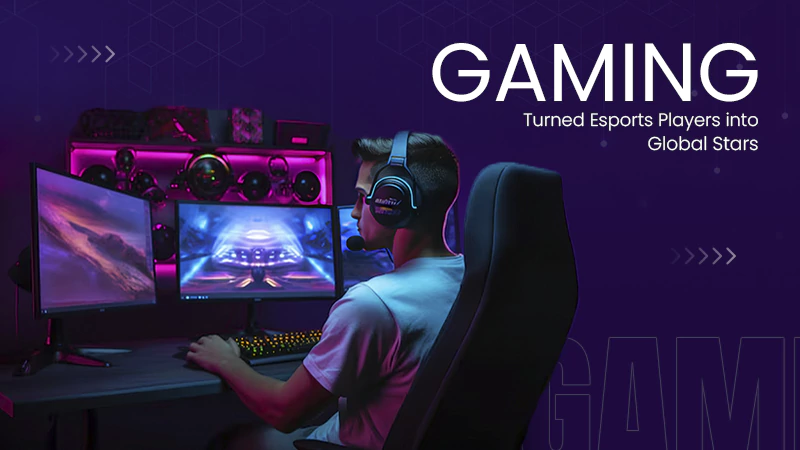
Esports has rapidly evolved from niche competitions to a global phenomenon, attracting millions of players and viewers alike. The digital era has allowed professional gaming to intersect seamlessly with social media, creating vibrant online communities that transcend geographical boundaries and cultural differences. Fans are no longer passive spectators; they actively engage, discuss, and share content related to their favorite games and teams, often forming long-term friendships, mentorships, and collaborative networks online. Platforms like Twitch, YouTube, and TikTok amplify these interactions, giving rise to unique forms of community bonding, collaborative content creation, and shared experiences that rival traditional sports fandom. This article explores how esports is transforming social media communities and the implications for both players and fans. Additionally, the growth of esports has led to the emergence of dedicated fan clubs, online discussion boards, and collaborative spaces where enthusiasts exchange tips, celebrate wins, analyze strategies, and mentor newcomers in a deeply immersive environment that fosters learning, mentorship, innovation, and creative expression.

Over the past decade, esports has witnessed unprecedented growth, driven by major tournaments, sponsorships, streaming platforms, and the development of professional leagues. Events such as the cs2 events attract not only professional teams but also massive online audiences who follow the competitions in real-time, often spanning millions of viewers per event. These tournaments foster communities that share strategies, news, match predictions, and meta analyses, creating a comprehensive culture around competitive gaming. Social media has become the hub where fans debate outcomes, celebrate victories, and express support for their favorite players and organizations. This constant interaction strengthens the bond between esports organizations and their communities. Moreover, these communities often develop subcultures, complete with memes, inside jokes, rituals, fan-created content, and collaborative storytelling that provide a sense of identity, pride, and belonging to fans worldwide. The growth of fan forums, Discord servers, and online leagues demonstrates how esports has expanded beyond gaming into social networking, collaborative cultural production, and global community building.
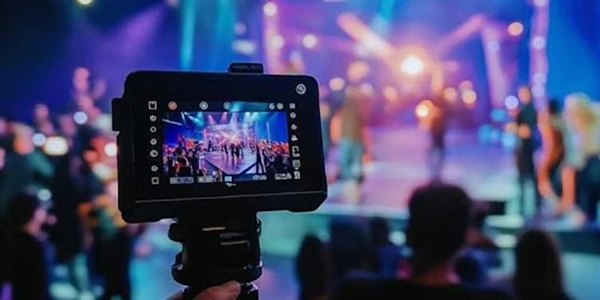
Live streaming platforms such as Twitch and YouTube Gaming have revolutionized how fans consume esports content, transforming viewership into a highly interactive and immersive experience. Real-time chats allow viewers to discuss gameplay moments as they unfold, share strategic tips, and coordinate group viewing sessions, creating a feeling of collective participation and social cohesion. Detailed statistics and live metrics enhance the experience; for instance, fans track cs2 live stats to analyze player performance, team strategies, tactical shifts, and meta evolution while engaging in discussions online. This immediacy fosters a dynamic and participatory environment where social media effectively becomes an extension of the esports arena, connecting fans, commentators, analysts, and players in a shared digital ecosystem. The integration of interactive polls, virtual rewards, community challenges, and subscriber-exclusive content during live streams further deepens engagement, transforming each event into an educational, collaborative, and socially enriching experience that goes far beyond simple entertainment.
Social media platforms play a pivotal role in promoting esports, expanding its audience, and shaping online engagement patterns. Platforms like Twitter, Instagram, and Discord enable fans to follow live updates, behind-the-scenes content, exclusive interviews, and highlight reels, allowing them to feel intimately connected to the competitive scene. Gamers, teams, and content creators frequently post clips, tutorials, and in-depth analyses, which encourage engagement, discussion, and fan-driven content creation. Memes, fan art, reaction videos, and creative edits often go viral, driving further visibility, shaping online culture, and positioning esports as a central component of digital entertainment and community interaction. Social media also allows influencers and esports personalities to engage directly with followers, strengthening loyalty, encouraging active participation, and fostering a sense of inclusive community. Beyond engagement, these platforms provide organizations with critical insights into fan sentiment, emerging trends, and content preferences, enabling adaptive strategies that enhance viewer experiences, deepen community trust, and drive long-term growth in a feedback-driven ecosystem.
Esports communities are not limited to watching matches—they thrive in forums, fan groups, creative collaborations, social initiatives, and charitable projects. Fans often participate in fantasy leagues, competitive tournaments, charity events, and community-driven campaigns, reinforcing connections beyond the competitive scene and extending esports culture into broader social contexts. Social media facilitates these initiatives by providing tools for organizing, promoting, and coordinating cross-platform interactions. This participatory culture encourages creativity, collaboration, knowledge sharing, and mentorship, making esports fandom an active and evolving ecosystem rather than passive entertainment. Many fans contribute significantly to the ecosystem by producing fan videos, analytical guides, tutorials, podcasts, and live commentary that inspire and educate other members. This ongoing cycle of content creation, feedback, collaboration, and recognition ensures the community remains dynamic, inclusive, adaptive, and constantly innovating.
The rise of esports has profound cultural implications, particularly for younger generations who increasingly define themselves through online gaming communities. Social media amplifies trends in gaming, lifestyle, fashion, and digital expression influenced by esports stars, shaping online identities and peer interactions. Memes, challenges, live reaction content, and viral campaigns influence communication styles, digital literacy, and the formation of micro-communities that encourage teamwork, strategy development, and collaborative problem-solving. The immersive nature of these communities fosters critical thinking, adaptability, and interpersonal skills, making participation both educational and socially enriching. By integrating entertainment with meaningful social interaction, esports cultivates a sense of belonging, self-expression, and global awareness. Furthermore, exposure to international esports communities introduces youth to diverse cultures, languages, collaborative practices, and creative methodologies, expanding their global perspective and nurturing digital citizenship, empathy, and intercultural competence.
Esports has become a defining force in modern digital culture, reshaping social media communities, online engagement, and global fan interactions. By blending competitive gameplay with interactive digital platforms, it has created an ecosystem where fans actively participate, create, share, and celebrate gaming content while learning, mentoring, and collaborating. The integration of real-time events, detailed analytics, community-driven initiatives, and global participation has transformed passive spectators into highly engaged and informed participants, making esports a multi-dimensional phenomenon that merges entertainment, education, and social cohesion. As esports continues to expand globally, its influence on social media, youth culture, and digital engagement will likely intensify, solidifying its role as an essential component of entertainment, learning, and worldwide community building. Ultimately, esports not only entertains but also strengthens connections, fosters personal and professional skill development, nurtures creativity, and builds a shared cultural experience that unites millions across the globe into a collaborative, innovative, and evolving digital society.
Email at: all4needyinfo@gmail.com